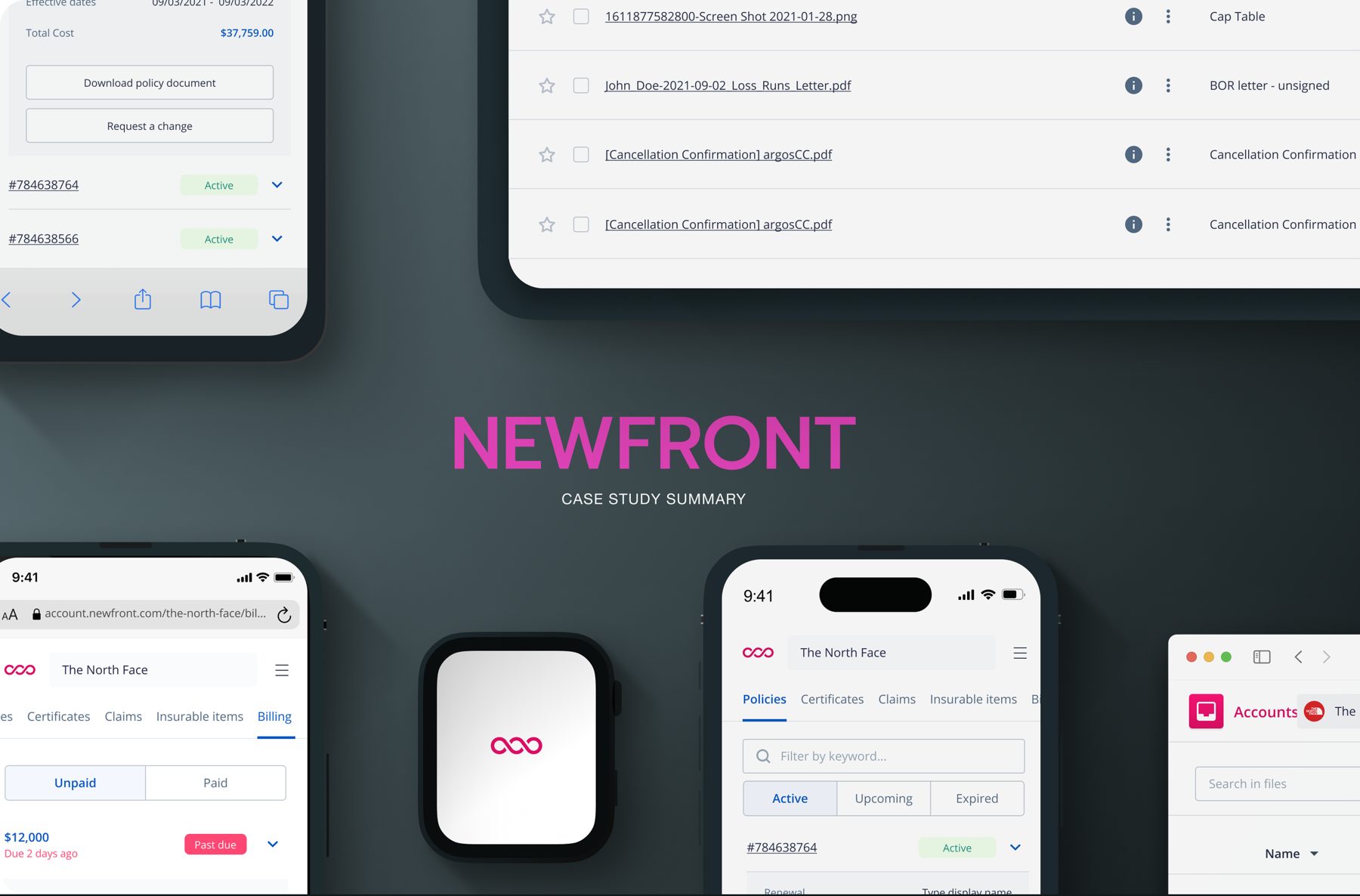
Leading discovery, prioritisation and a new client dashboard for the modern insurance brokerage, as Lead Product Designer at a San Francisco startup.
Newfront positions itself as the modern insurance brokerage for the 21st century. I joined as Lead Product Designer to support discovery and improve the design team's workflow, with no prior experience in insurance, though plenty of discovery work in banking and fintech.
The team was small: three designers, one with deep platform knowledge and one as new to it as I was. The company had clear goals for 2022, and the product team had the last quarter of 2021 to work out which ones to solve first.
In my first two weeks everything felt important: a mobile framework, a revamp of the old dashboard (documents, policies, quotes, exposures), new dashboard layouts, data migration, design system improvements, unified onboarding, landing pages and the conversion of BOR letters.
The shared timeline looked optimistic and it was hard to get everyone around the same table, so I acted fast. I ran short sessions designed to get people to make decisions, not explore solutions.
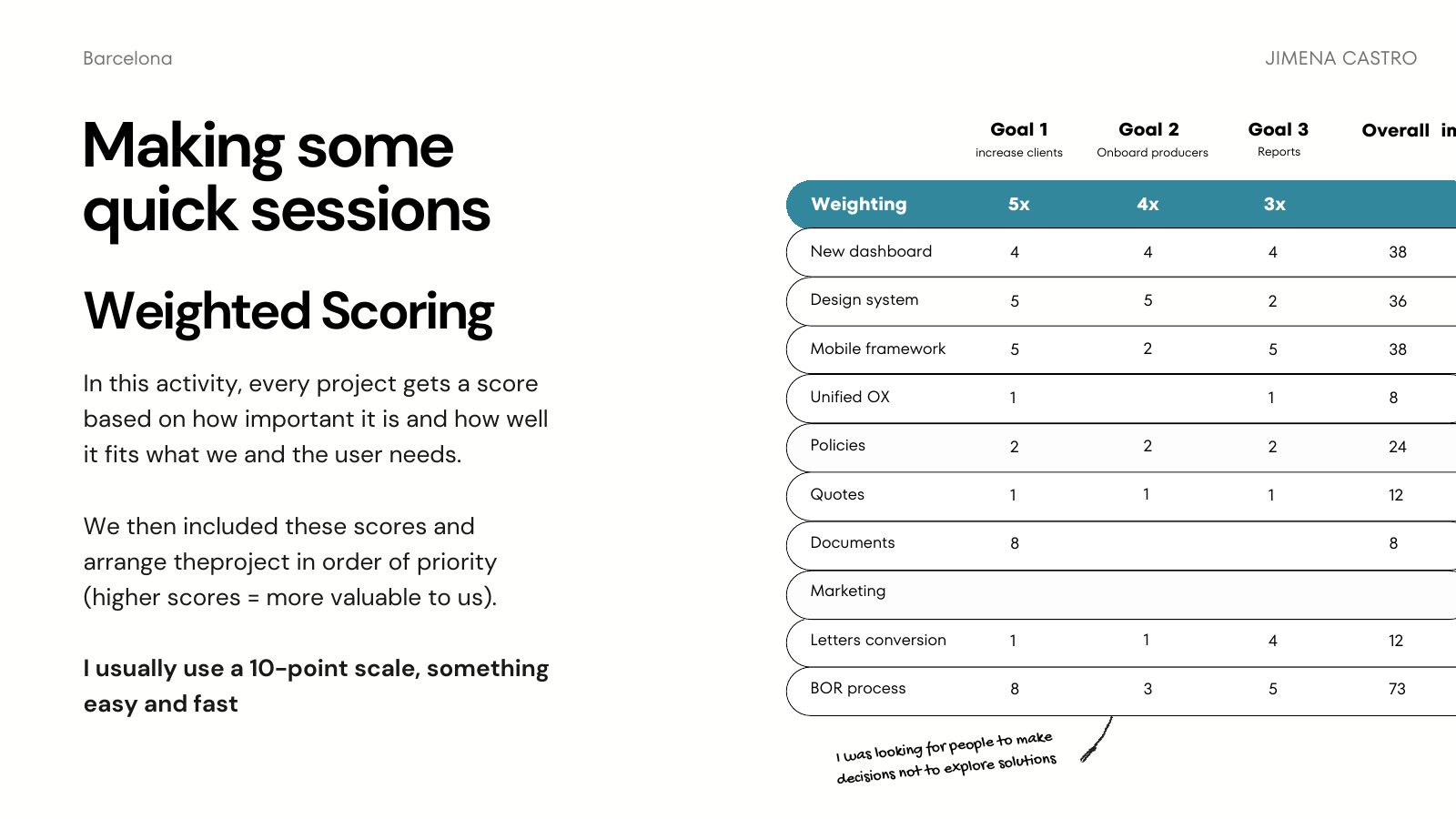
Weighted scoring. Every project got a score on a simple 10-point scale for how well it served each of the three 2022 goals: increasing clients, onboarding producers and reports. Higher scores meant more value, which gave us a ranked list.
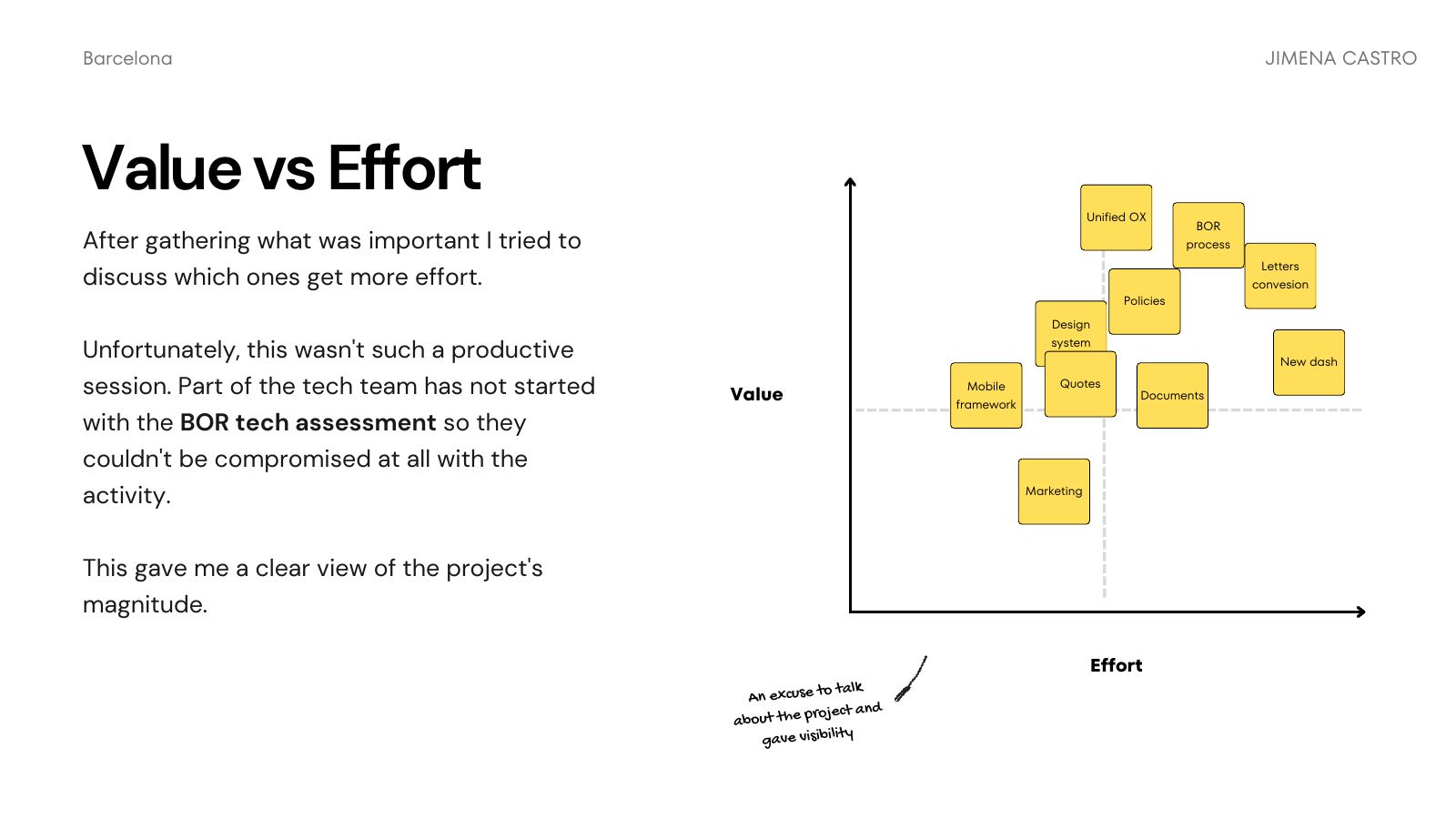
Value vs effort. The second session was less productive, because part of the tech team hadn't started the BOR technical assessment. Still, it gave everyone visibility and gave me a clear view of the size of each project.
Needed a full discovery, and became the project we used to establish the new dashboard design.
The mobile framework came first, so we aimed for feature parity and improved where we could.
The new dashboard urgently needed a process for its design system and information architecture.
Each priority got its own team across design, product, data, engineering, design ops and the conversion team, plus producers who use the platform every day.
BOR (broker of record) letters move a client's policies to Newfront. The conversion team handled them across Salesforce, many Excel sheets and DocuSign. I ran a design thinking process, starting with interviews, to understand:
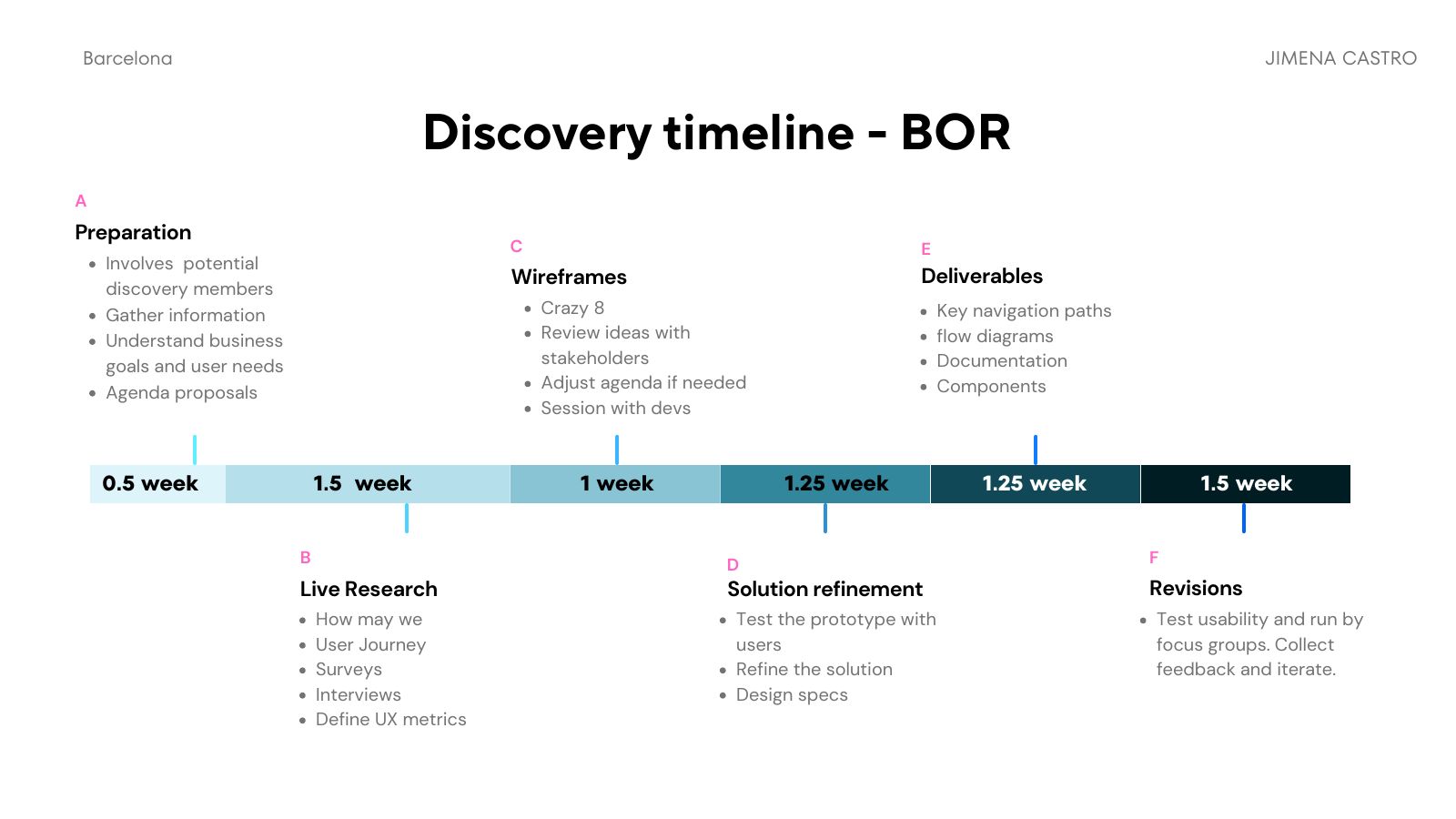
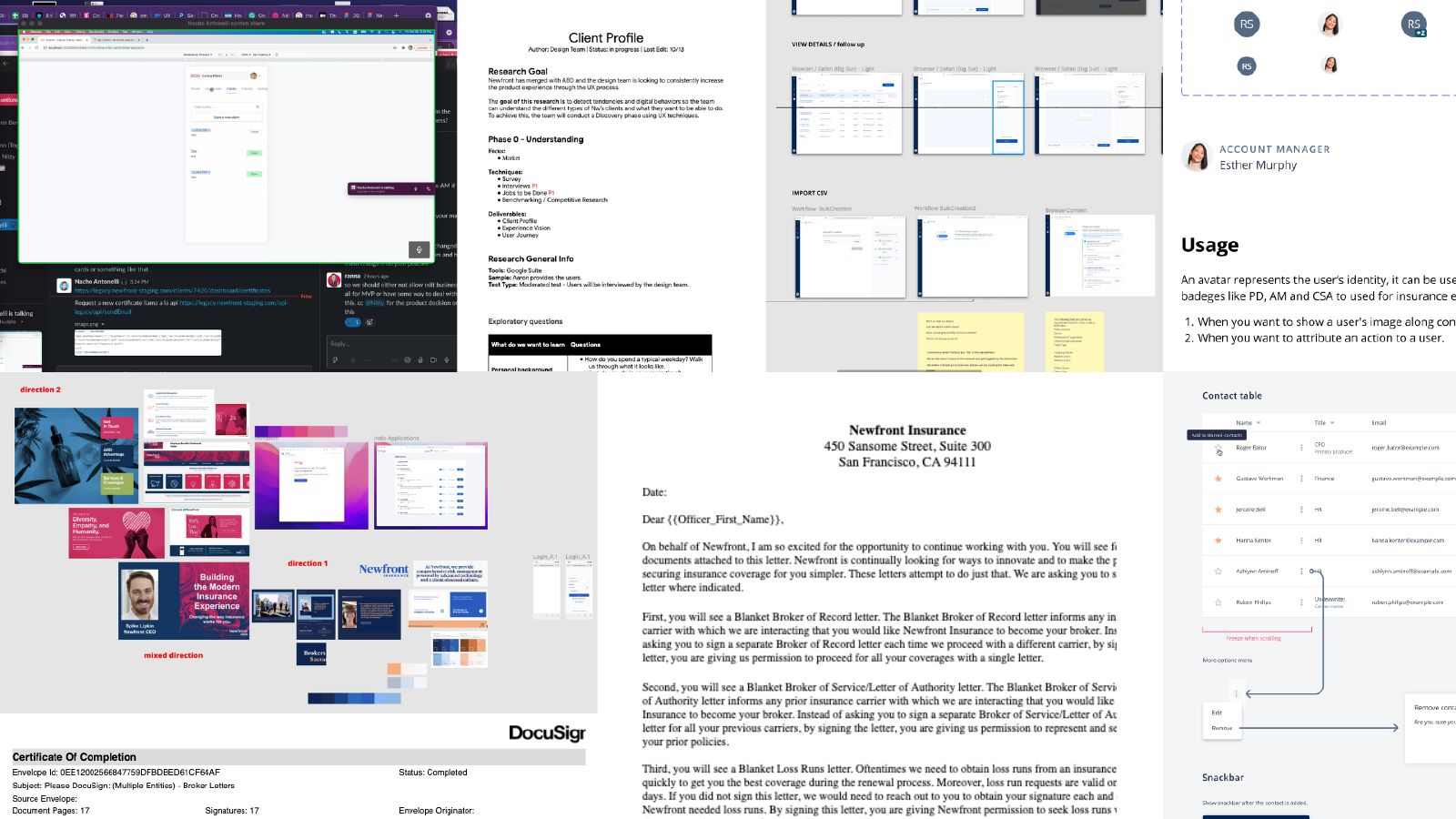
We spoke with 13 people: 3 from the conversion team and 10 producers.
struggled when adding clients to Salesforce, which asked for far more information than onboarding legally requires.
felt the process got stuck. The conversion team had to fix producers' entries, then wait for them to generate the letters.
felt overwhelmed by the system, juggling many open screens because the old dashboard couldn't match Salesforce.
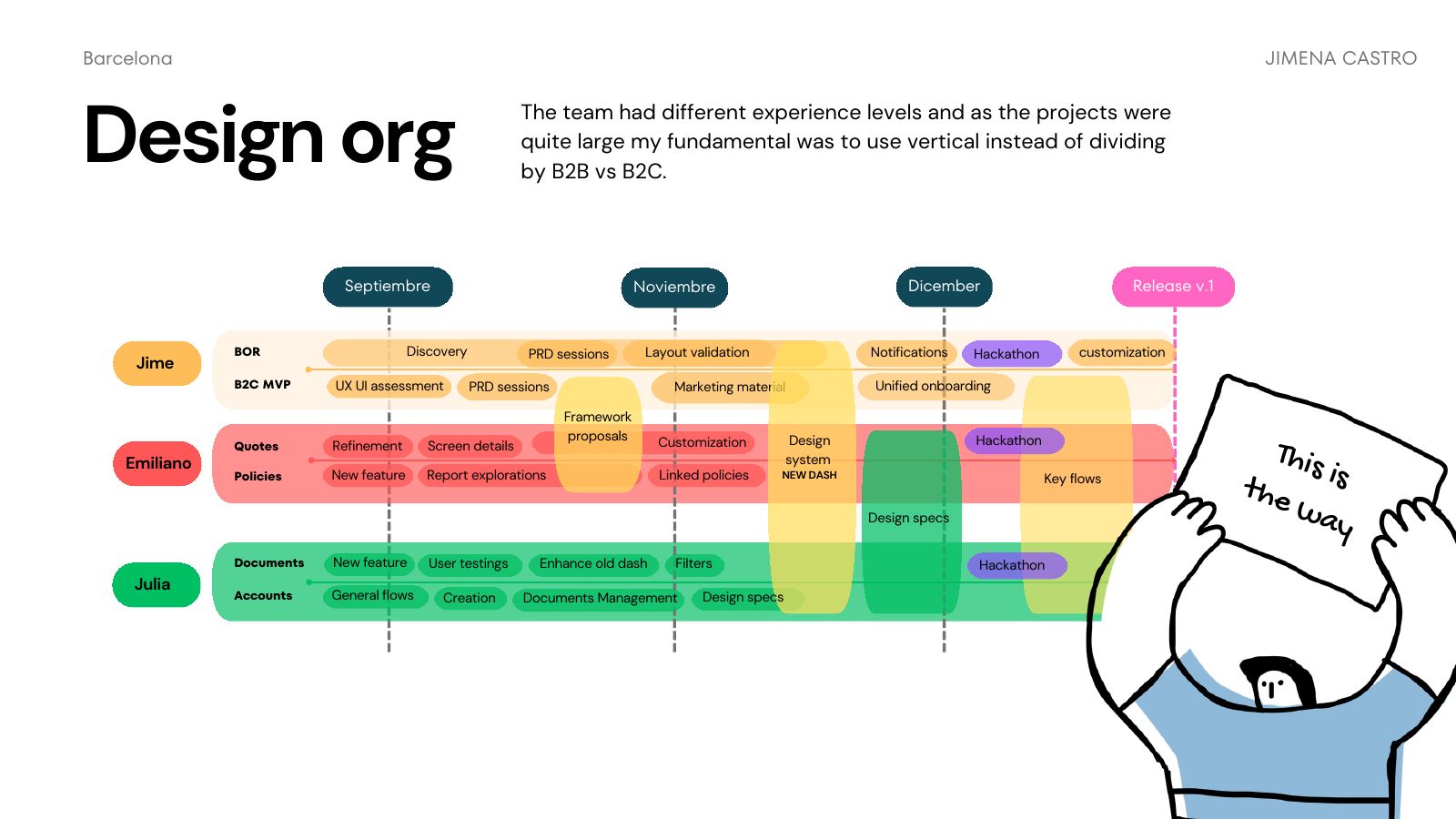
The designers had different levels of experience and the projects were large, so I organised work by vertical instead of splitting B2B and B2C. BOR, the B2C MVP, quotes, documents, policies and accounts each had a clear owner, with hackathons and shared reviews along the way.
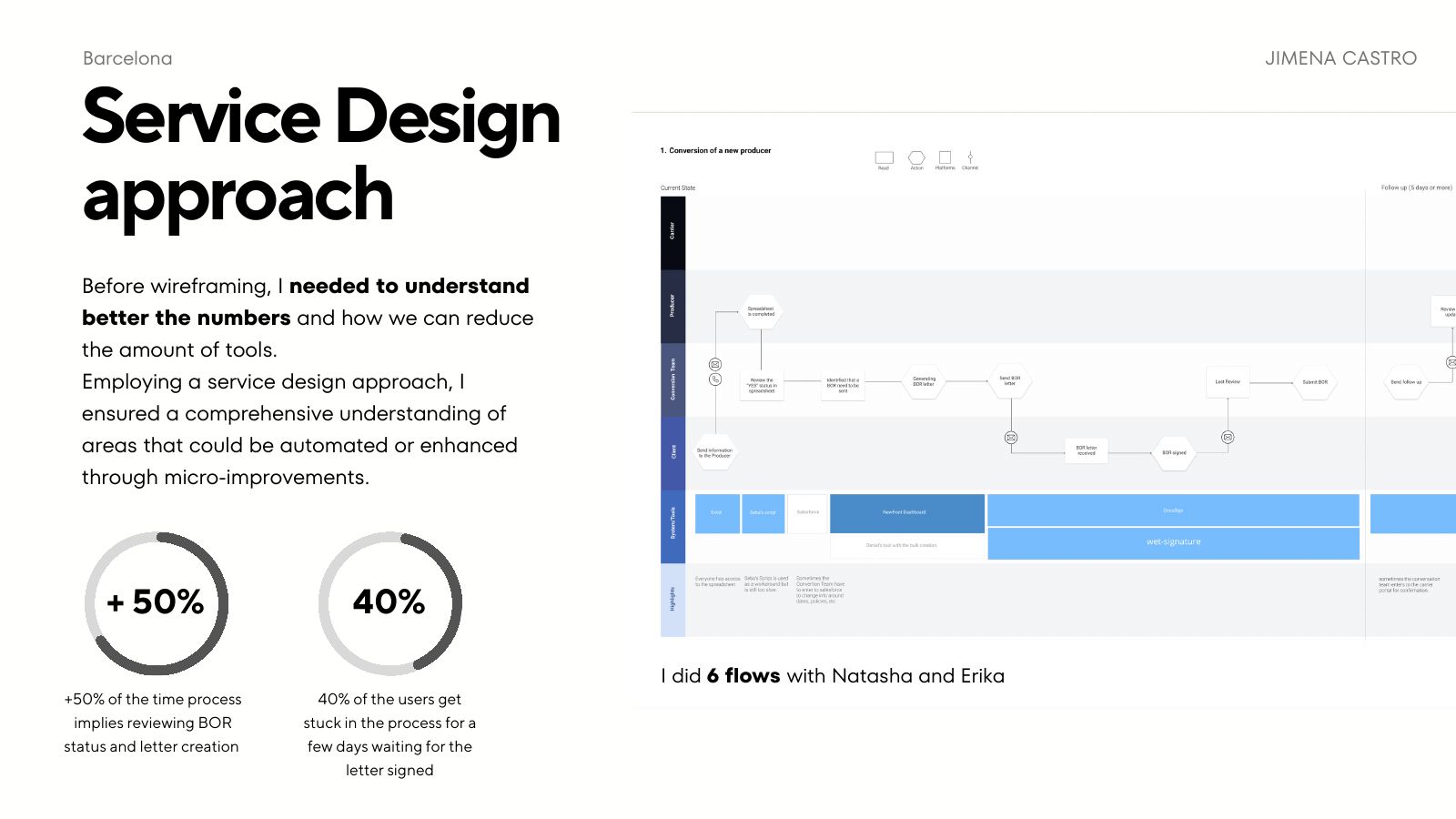
Before any wireframes, I wanted the numbers, and a way to reduce the number of tools. With the PM and the conversion team lead I mapped six service flows to see what could be automated or improved with small changes.
of process time went to reviewing BOR status and creating letters.
of users got stuck for days waiting for a signed letter.
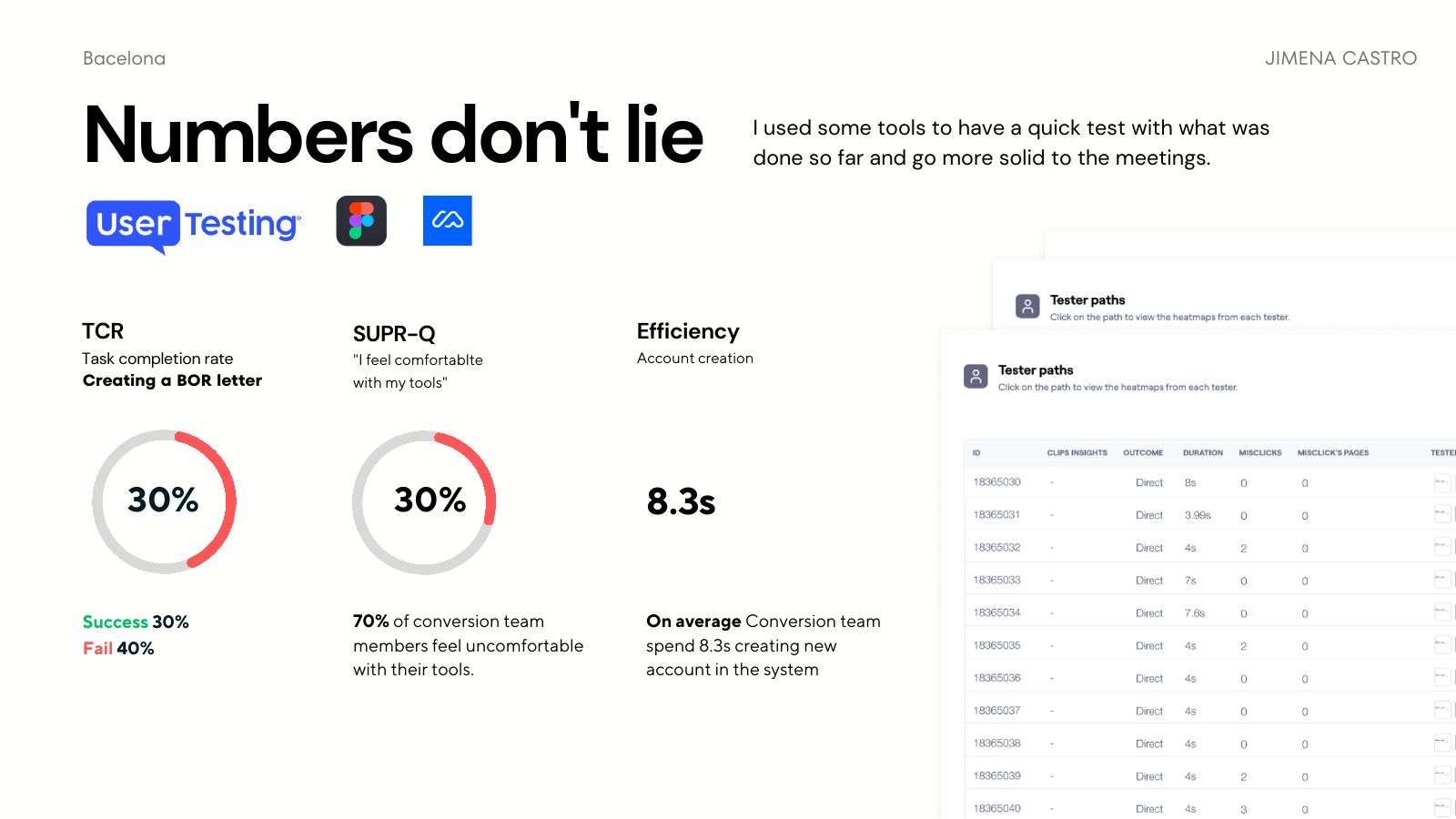
of the conversion team felt uncomfortable with their tools.
Quick usability tests on the existing tools gave us a baseline before the big meetings, including a 30% task completion rate for creating a BOR letter.
Producers wanted to pre-create accounts, but often didn't enter the data the conversion team needed. Part of the answer was motivating producers to use the system more and enter the right data.
I ran crazy-8 sessions with developers and led a side project to connect the dashboard closely with Salesforce data, cutting the back-and-forth and automating more of the conversion process.
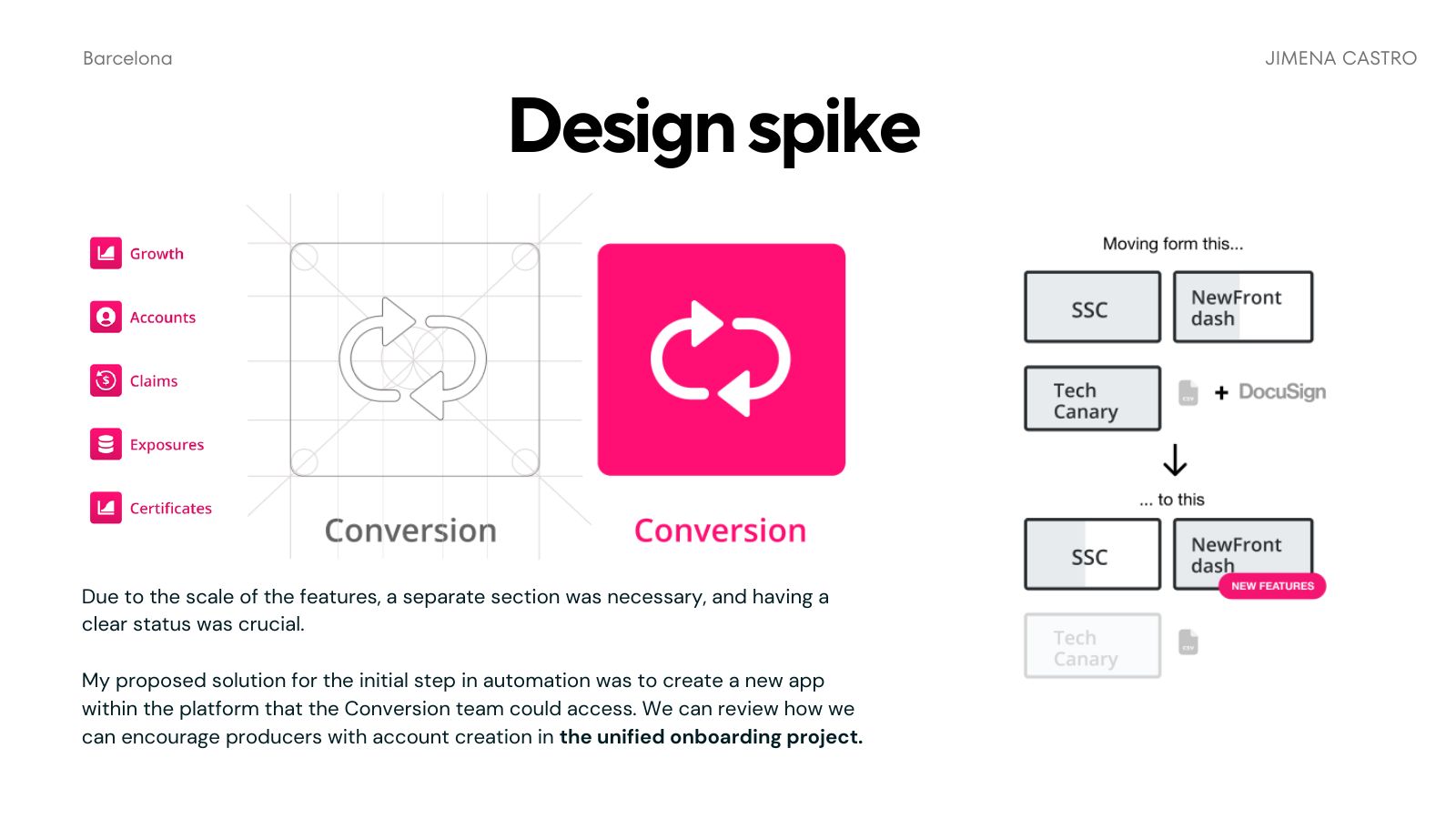
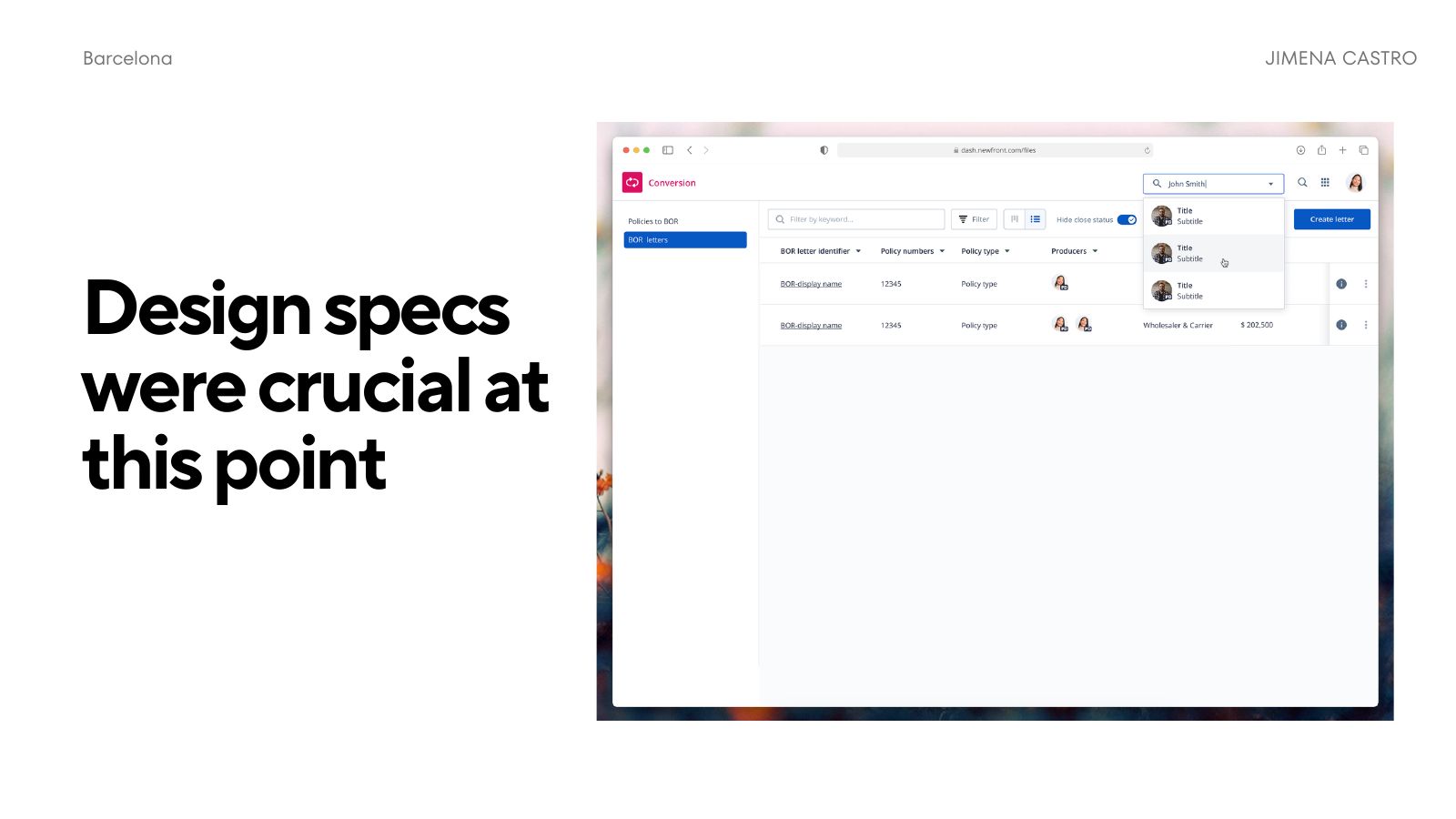
The first step was a new app inside the platform, built for the conversion team, with a clear status for every BOR letter.
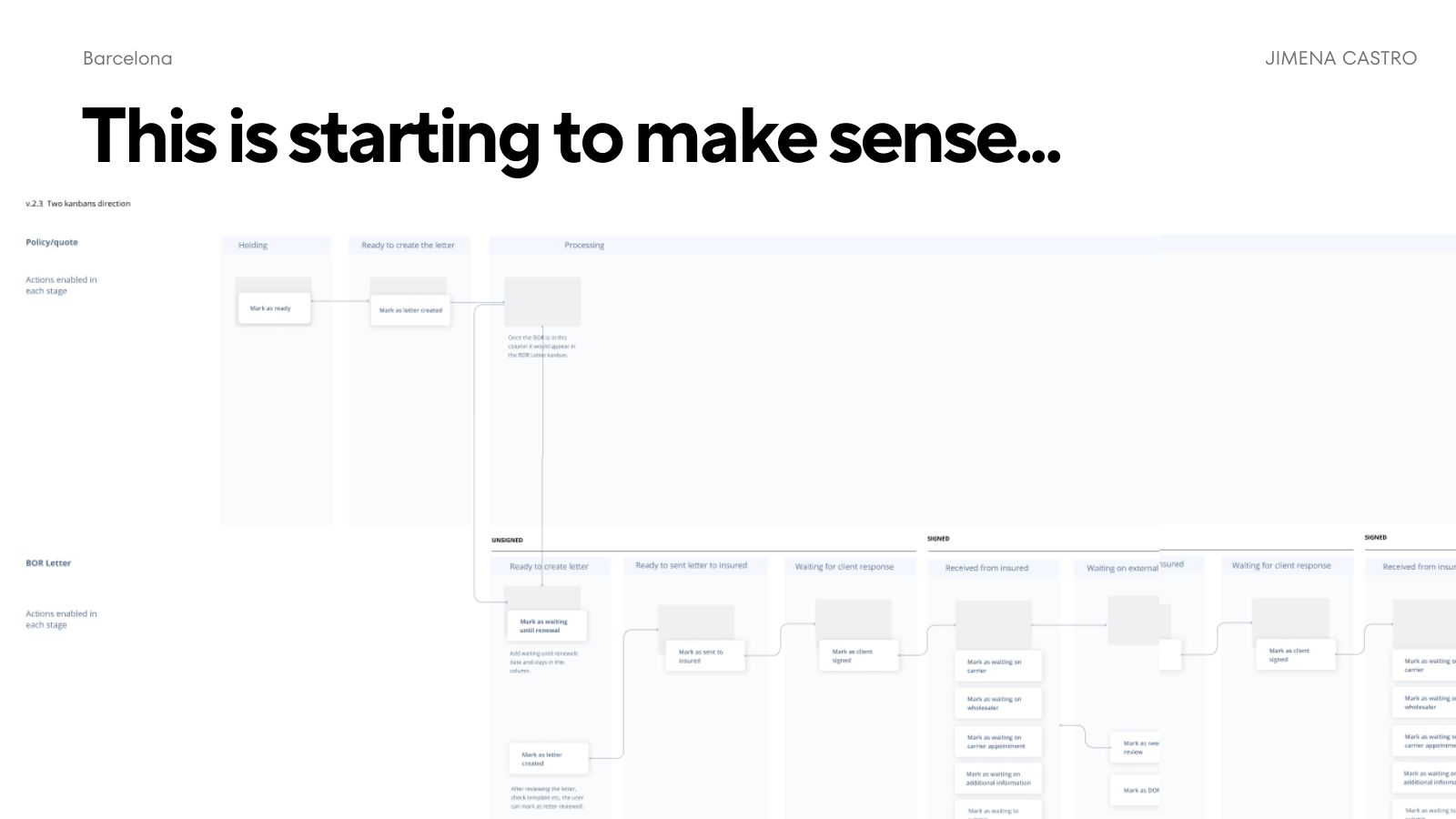
While I finished the information architecture for the new dashboard, a teammate improved the old one, and we tried out a new component style together. Then the designs went to development, with detailed specs and frequent huddles to validate interactions.
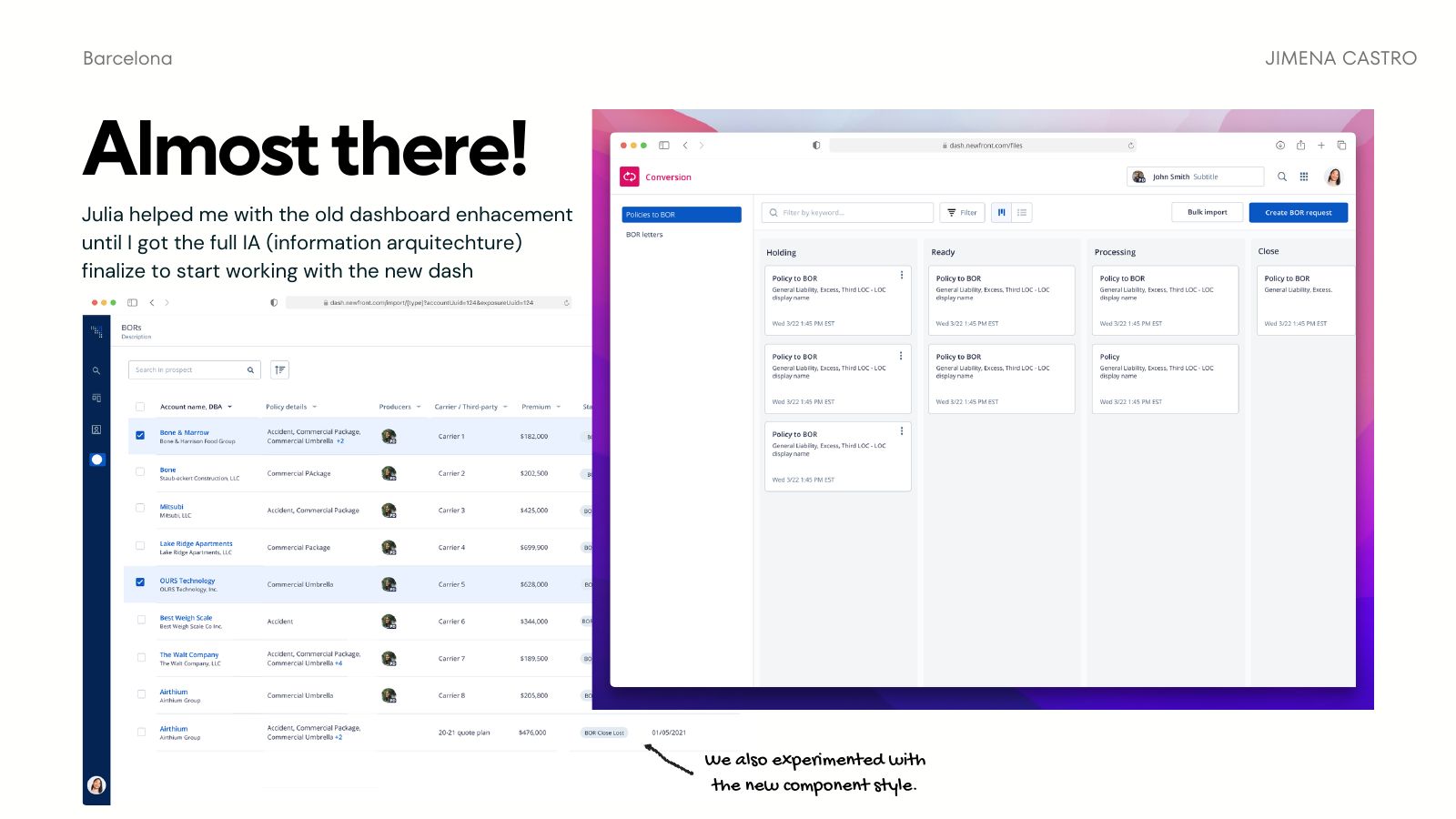
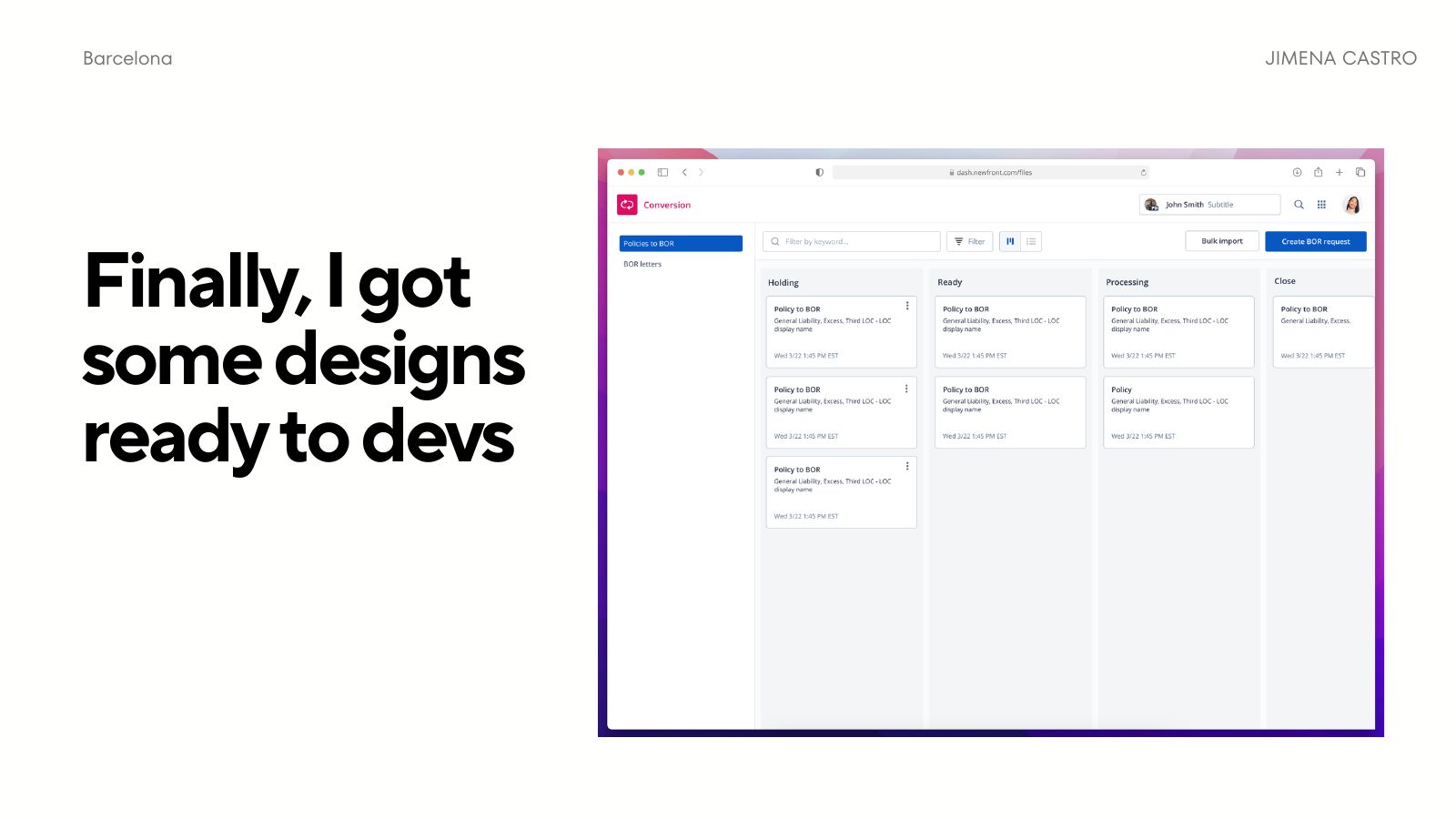
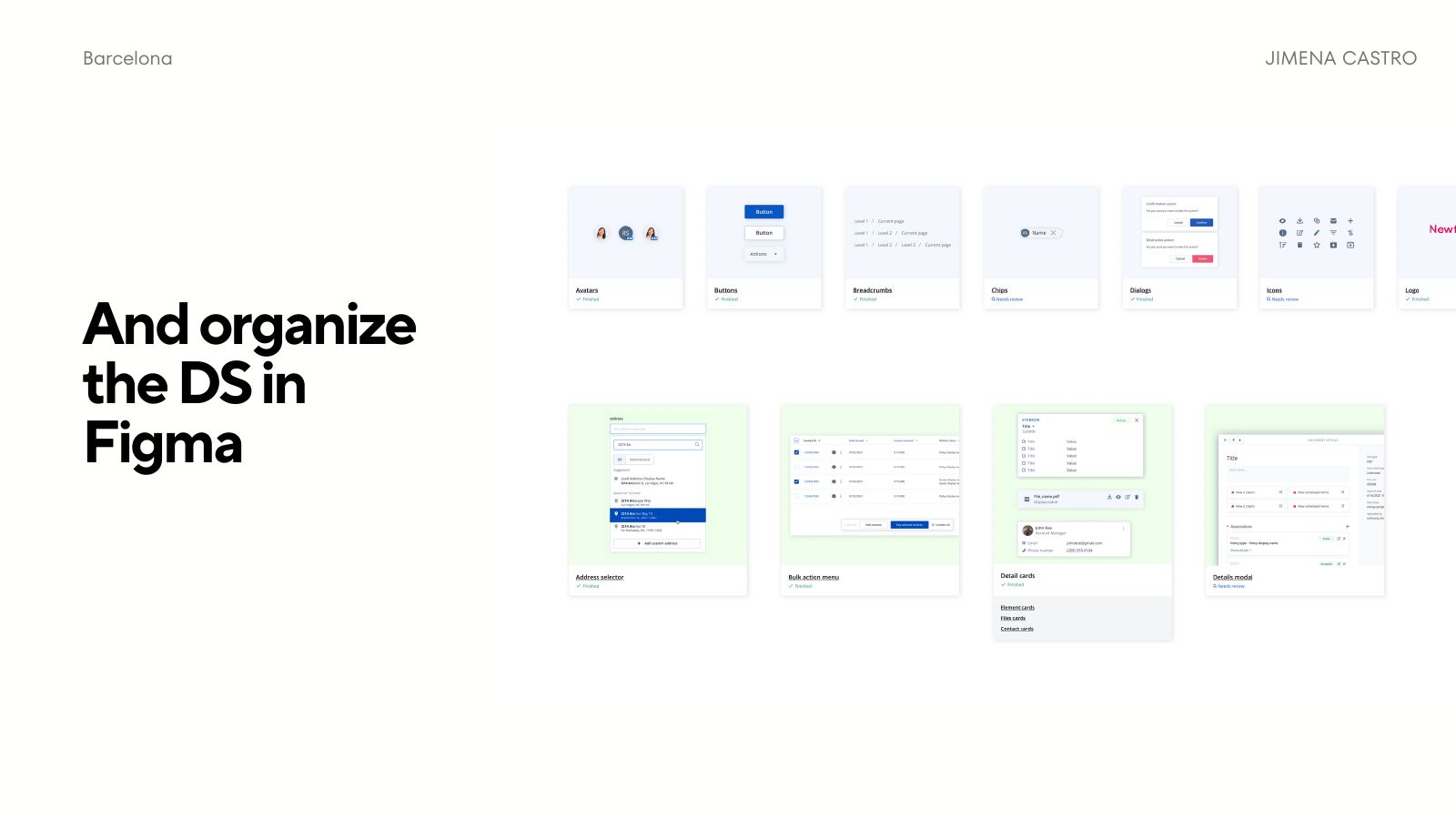
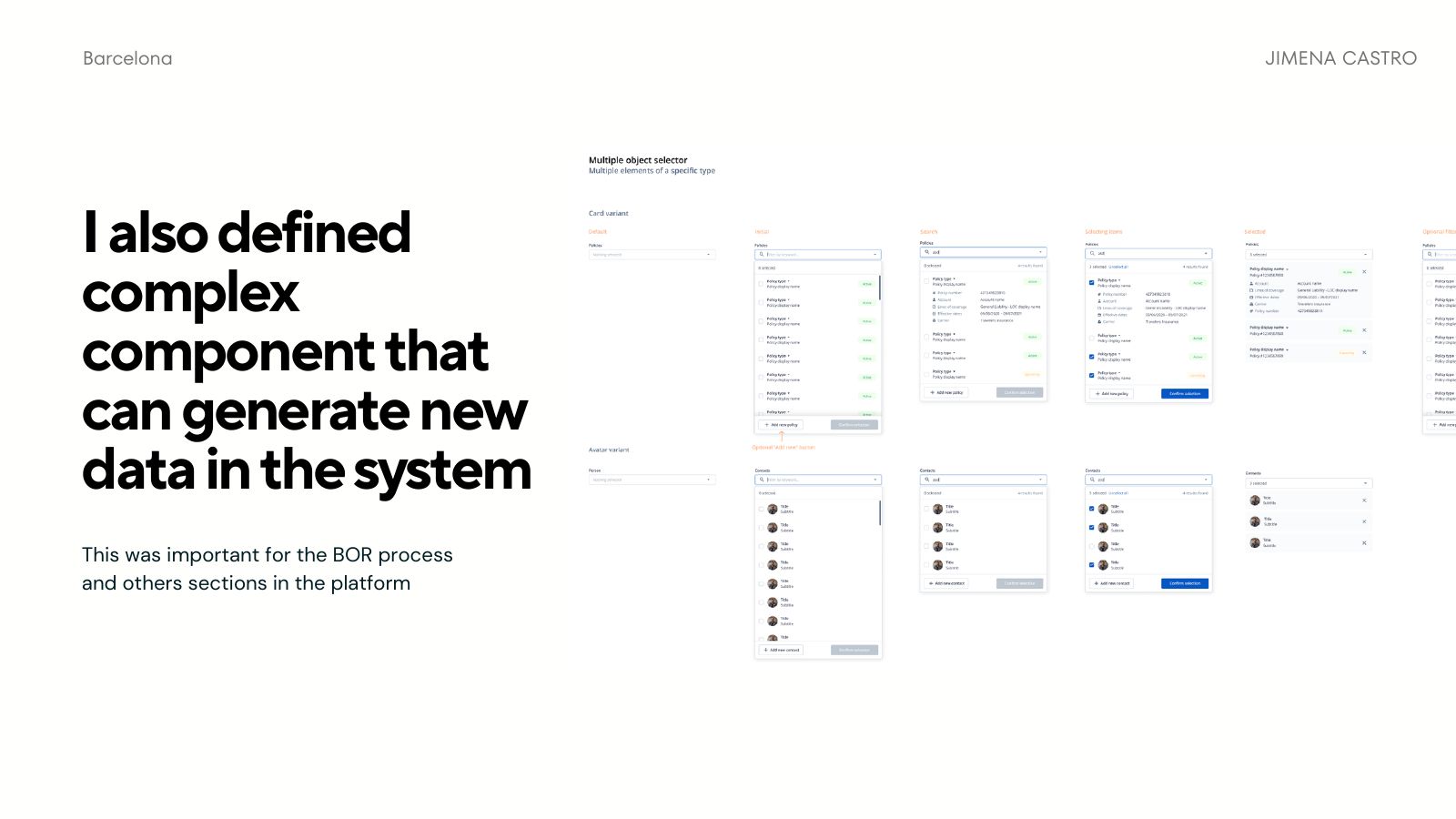
I organised the design system in Figma and defined complex components that can create new data in the system, key for the BOR process and other parts of the platform.
We renegotiated the timeline several times and getting everyone into meetings was hard. With support from my director to secure the team's participation, the results were good.
The next step was testing the ongoing design before development was finalised.
Overall, I think we did a good job as a team.